Hormone Therapy for Perimenopause & Menopause in Reno, Nevada
Hormonal changes during perimenopause and menopause can affect nearly every part of how you feel. Many women experience symptoms such as fatigue, brain fog, weight gain, sleep disruption, mood changes, and hot flashes.
Too often, women are told their labs are “normal” or that these symptoms are simply part of aging.
At Forma Health in Reno, Nevada, we take a thoughtful and evidence-based approach to hormone care. Our goal is to help you better understand what is happening in your body and create a treatment plan that supports your health, energy, and long-term well-being.
Care Led by a Menopause-Certified Practitioner
Hormone therapy requires thoughtful evaluation and individualized care.
At Forma Health, care is provided by Rebecca Bustos, NP, a Menopause Society Certified Practitioner (MSCP). This certification demonstrates advanced training in the management of perimenopause and menopause.
Patients receive guidance based on current menopause science, clinical expertise, and personalized care planning.
What Is Perimenopause?
Perimenopause is the transition leading up to menopause and can begin in a woman’s
late 30s or 40s. Hormone levels begin fluctuating, which can lead to a variety of
symptoms.
Common symptoms include:
• Irregular menstrual cycles
• Sleep disturbances
• Mood changes or anxiety
• Brain fog and difficulty concentrating
• Weight changes
• Decreased libido
• Hot flashes or night sweats
• Fatigue
Symptoms and severity vary from person to person, which is why individualized
care is important.
What Is Menopause?
Menopause is defined as 12 months without a menstrual period. Hormone levels decline, which may lead to symptoms affecting quality of life and long-term health.
For many women, hormone therapy can significantly improve symptoms and support healthy aging when appropriate.
Who is a Candidate for Hormone Therapy?
You may benefit from hormone evaluation if you are experiencing symptoms such as:
• Persistent fatigue or low energy
• Brain fog or difficulty concentrating
• Sleep disruption
• Mood changes or anxiety
• Low libido
• Hot flashes or night sweats
• Weight gain or metabolic changes
A consultation allows us to determine whether hormone therapy or other treatments may be appropriate for you.
Transparent Pricing
Forma Health operates as a cash-pay direct care practice, allowing us to focus on personalized care rather than insurance restrictions.
Hormone therapy treatment plans vary depending on your needs, medications, and pharmacy options.
Medication costs can vary based on formulation and pharmacy, but many treatments are available through affordable compounding pharmacies or your local pharmacy.
All pricing and treatment options are discussed during your consultation so you can make an informed decision about your care.
Initial Hormone Consultation | $225
A comprehensive visit to review your symptoms, health history, goals, and available lab work, and determine the most appropriate next steps for your care.
Your Hormone Care Journey
1. Book Your Appointment
Schedule your initial hormone consultation online at a time that works for you.
2. Complete Your Labs
If you have recent lab work, you can upload it before your visit. If additional testing is needed, we’ll help you complete the appropriate labs before or after your consultation.
3. Attend Your Consultation
We’ll review your symptoms, health history, goals, and lab results together, then discuss whether hormone therapy or another treatment approach is appropriate for you.
4. Start Your Treatment Plan
If you decide to move forward, we’ll create a personalized treatment plan based on your symptoms, goals, medical history, and lab findings.
5. Follow Up in 4–8 Weeks
Your first follow-up allows us to check how you’re feeling, review any needed labs, and make adjustments to your treatment if necessary.
6. Ongoing Care Every 3 Months
Once your treatment is established, follow-up visits are generally scheduled at least every 3 months to monitor your response, symptoms, medications, and overall health

What Treatment Can Look Like
Menopause treatment is individualized to your symptoms, health history, goals, and stage of hormone decline. Your treatment plan may include:
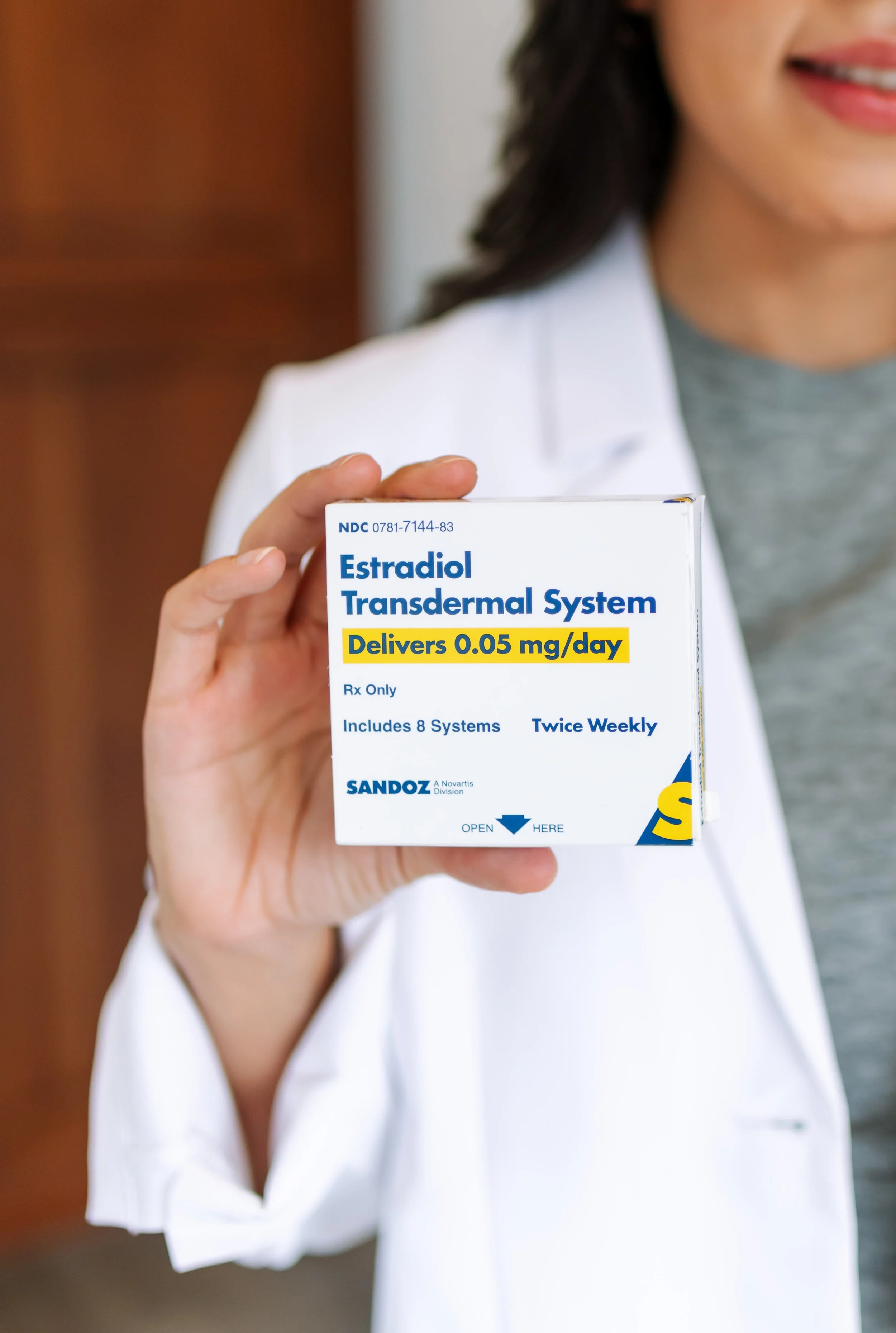
Estrogen to help with symptoms such as hot flashes, night sweats, vaginal changes, and joint pain, and to protect bone mass.
Progesterone to help with sleep, anxiety, mood, and when needed, including for uterine protection in patients using systemic estrogen who still have a uterus.
Testosterone in select patients when clinically appropriate, particularly when low sexual desire is a significant concern. May help with energy, brain fog, and muscle mass.
Non-hormonal medications and lifestyle support when hormone therapy is not desired or appropriate.
The goal is not simply to “balance your hormones.” It is to understand what you are experiencing, review your health history and risks, and create a treatment plan that makes sense for you.
**The symptoms listed above are not exhaustive. Menopause and perimenopause can affect each person differently.