Welcome to Forma Health.
You are officially booked for your weight loss visit.

At Forma Health, weight loss is not about quick fixes or extremes. It is about understanding your body, your hormones, your habits, and your health story, then building a plan that is realistic, sustainable, and personalized.
Below is everything you need to know before your visit.
Quick Guide
1. Your Visit Timeline
What happens before, during, and after your appointment.
2. Required Forms
Forms to complete before your visit.
3. Labs & Metabolic Insights
Key labs that help us understand your hormones, metabolism, and health.
4. Treatment Pathways
Possible approaches to weight loss, from lifestyle to medical options.
5. The Forma Health Philosophy
Our science-based, sustainable approach to weight loss.
-
Immediately after booking
• Complete your intake forms
• Review the information below
• Optional: complete labs before your visit (if instructed)Before your appointment
• Reflect on your goals, challenges, and past experiences with weight loss
• Review our treatment philosophy and expectationsDuring your visit
• Full medical and lifestyle review
• Discussion of labs, hormones, metabolism, and history
• Personalized treatment options
• Education on sustainable weight loss strategiesAfter your visit
• Customized plan may include nutrition, lifestyle, supplements, medications, or hormone support
• Ongoing follow-up and adjustments based on your response and goalsImportant note:
No diagnosis, prescriptions, or treatment plans are provided before your scheduled visit.. -
Please complete all of the forms assigned to you. If you have any questions about whether a form applies to you or questions in general, please message Forma Health through the patient portal.
-
Labs are not required for every patient but are often helpful in understanding underlying contributors to weight gain, fatigue, hormonal changes, and weight loss plateaus.
Not every patient needs every lab. Your provider will guide what is appropriate based on your history, symptoms, and goals.
Metabolic & Blood Sugar Health
These labs help us understand insulin resistance, metabolic function, cardiovascular risk, and underlying contributors to weight gain.
• Comprehensive Metabolic Panel (CMP)
• Fasting glucose
• Hemoglobin A1c
• Fasting insulin
• Lipid panel
• Uric acidThyroid Function
These labs evaluate thyroid health, which plays a significant role in metabolism, energy, and weight regulation.
• TSH
• Free T4
• Free T3
• Thyroid antibodies (TPO, TgAb)Hormones (when clinically appropriate)
These labs help assess reproductive hormones, menopausal status, androgen balance, and hormonal contributors to weight changes.
• Estradiol
• Progesterone
• Testosterone (total and free)
• DHEA-S
• SHBG
• FSH (Follicle-Stimulating Hormone)
• Cortisol (selected cases)Nutrient & Inflammation Markers
These labs help identify deficiencies or inflammatory patterns that may impact metabolism, energy, and overall health.
• Vitamin D
• Ferritin / iron studies
• Vitamin B12
• C-reactive protein (CRP) -
At Forma Health, lifestyle support goes beyond diet and exercise. We focus on understanding how your habits, mindset, hormones, and physiology interact to influence weight and health.
• Protein-focused nutrition strategy
• Blood sugar stabilization
• Sleep optimization
• Stress and cortisol management
• Movement and strength-building guidance• Weight loss coaching
Personalized guidance to help you build sustainable habits, navigate challenges, and stay aligned with your goals.• Mind-body connection in weight loss
We explore how stress, emotions, past experiences, and thought patterns can influence eating behaviors, metabolism, and consistency.• Education on the science of weight loss
Clear, evidence-based education on how metabolism, hormones, insulin, muscle mass, and energy balance affect weight loss so you understand your body, not fight it.Medical Weight Loss Medications
• GLP-1 receptor agonists (e.g., semaglutide, tirzepatide)
• Other FDA-approved weight loss medications
• Metabolic-supportive medicationsSupplement & Nutrition Support
Targeted supplements based on labs and symptoms
-
At Forma Health, we believe:
• Weight loss is not just willpower.
• Hormones, metabolism, stress, sleep, and history matter.
• Faster is not always better. Sustainable is better.
• Medications are tools, not magic solutions.
• Your plan should fit your real life, not an unrealistic standard.We do not believe in:
• Shame-based weight loss
• Extreme restriction
• One-size-fits-all protocols
• Endless dose escalation without strategyOur approach is science-based, compassionate, and personalized.
Guide
Helpful Tools & Resources
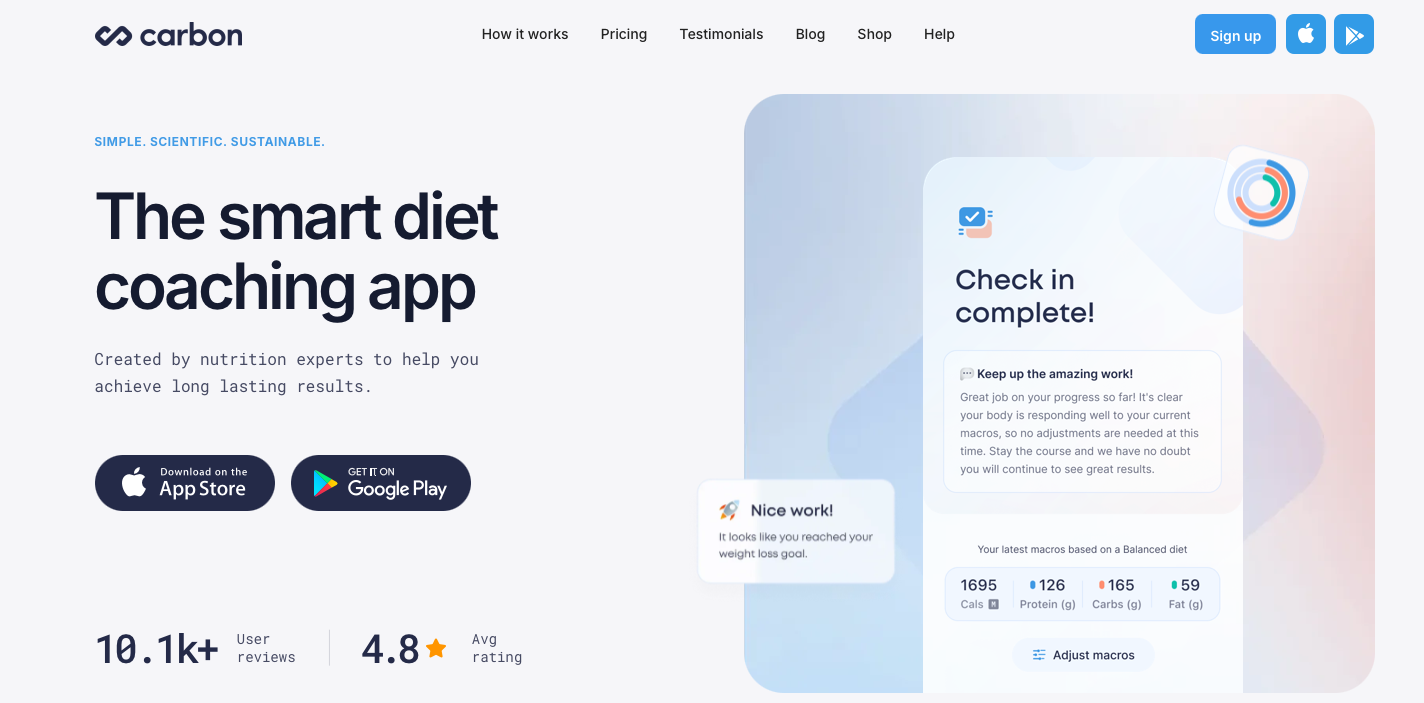
The Carbon macro coaching app is a personalized nutrition tool that helps you understand your calorie and macronutrient needs in a simple, structured way. It can make it easier to view your weekly calorie intake, track progress, and learn how food choices impact your body.
We recommend Carbon as an optional tool for patients who want more clarity, accountability, and education alongside their weight loss plan. It is not required, but it can be a helpful complement to your care at Forma Health.
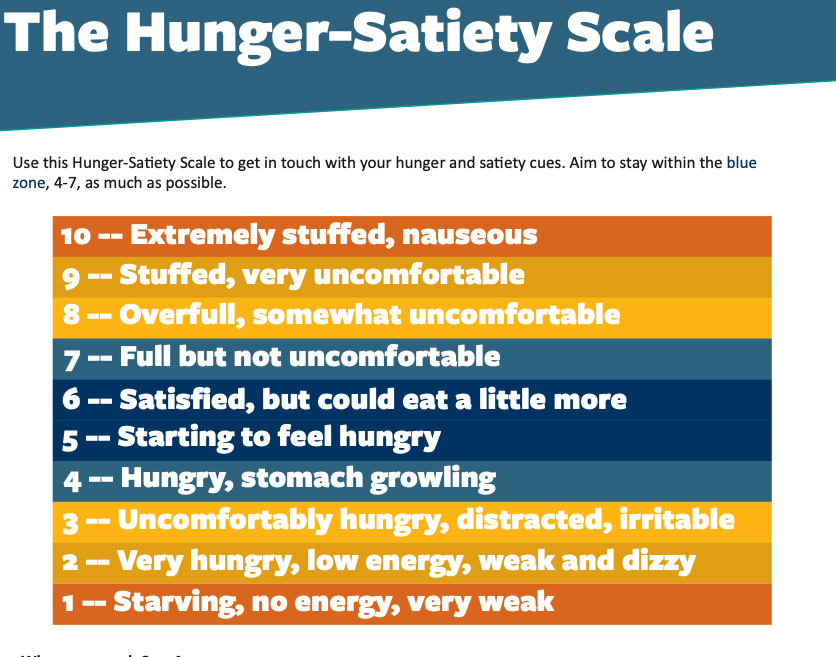
The hunger and satiety scale is a simple tool that helps you recognize when you are physically hungry and when you feel comfortably full. Learning to identify these cues can support more mindful eating, better portion awareness, and improved relationship with food.

If you want to better understand the why behind eating habits and weight changes, not just the what. This is one of Rebecca’s favorite reads.
This book reframes weight loss away from restriction and self-blame and toward understanding behavior, environment, and physiology. It introduces simple, realistic tools to help people eat better at home, at work, when dining out, and at the grocery store, without labeling foods as “good” or “bad.”
The core message is that sustainable weight loss does not require perfection or giving up your favorite foods. Instead, it is about learning how to make your favorite foods fit into your life in a more intentional, effortless way.